
November 20, 2025

Protecting your business assets, confidential documents, and valuables requires more than just locking the front door. A quality security vault serves as your last...
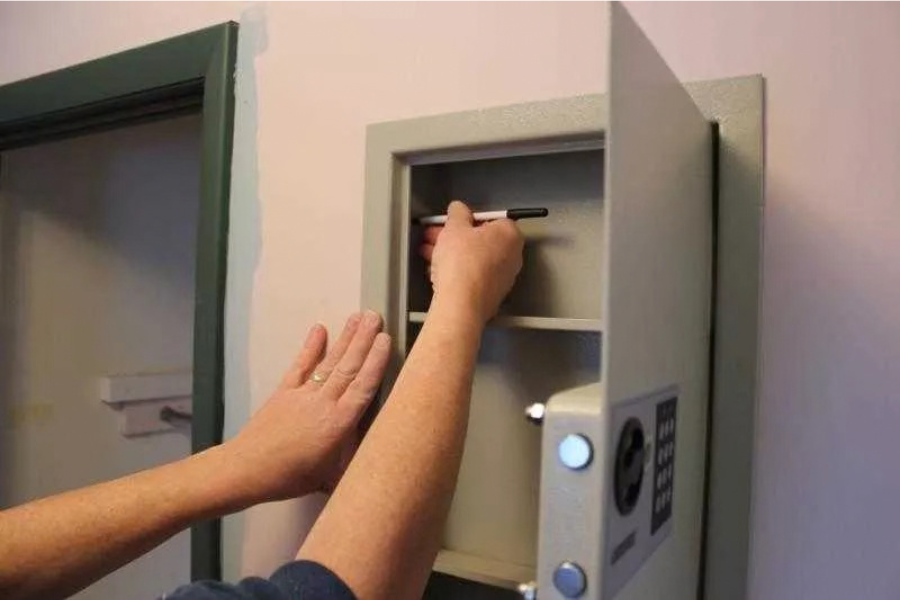
Safe installation in Grand Prairie, TX, goes beyond delivering the item and setting up a heavy box. The installation requires the correct positioning of the safe, its support, proper anchoring, ample door clearance, and a good configuration for everyday use of the device. A professional safe installation needs to be considered prior to moving a large safe through a hallway, closet, garage, or upstairs.
The proper installation of your safe will help prevent your safe from being improperly leveled, the door blocked, the anchoring done incorrectly, or the floor damaged. Prior to installing a safe in Grand Prairie, TX, you should consider heat in the garage, humidity, visibility, and floor construction of your choice.
Professional safe installation in Grand Prairie, TX, starts with taking into account the property where the device is going to be used. The installer should evaluate the size of the safe, safe weight, delivery route, floor surface, final positioning of the safe, door clearance, and anchor installation required by the manufacturer of the safe.
Safe installation may involve such procedures as
The end result of the safe installation should be the placement of a safe that is solidly placed and comfortable to use. Texas requires all locksmiths to be licensed by the Department of Public Safety in compliance with Chapter 1702. So, homeowners can verify the licensing information of their locksmith and don’t need to rely on marketing claims.
The proper location of a home safe takes into account such issues as the discretion of the location, structural support, access to the safe, and door clearance. An interior room or closet may provide more discretion, but a garage can be useful in case of having access and a concrete slab.
If you use your safe regularly, do not hide your safe in a place that does not allow the safe door to open to its maximum. A highly visible location of the safe near the open garage door will not be discreet.
Yes, but a heavy safe should not be handled like regular furniture. Safe weight, floor construction, route upstairs, and anchoring method should be taken into consideration.
If you do not know about the floor construction, it is advisable to evaluate the point of installation before moving the safe into the room.
Grand Prairie homes vary in layout, foundation type, garage design, and available storage space. There isn’t one universal installation spot.
A garage can be practical because many have a concrete slab and direct delivery path. The tradeoff is exposure to heat, humidity, temperature changes, and visibility when the garage door is open.
Keep the safe away from areas where water can collect and avoid an unnecessarily visible position. If the contents are sensitive to moisture, plan for humidity control.
A closet or interior room can provide better discretion, but tight spaces create problems. Measure the space with the door fully open, not just the closed footprint. Leave room to operate the lock, reach shelves, and service the unit later. Before drilling, confirm what is beneath the installation surface. Drywall, trim, or a thin finish layer isn’t structural support.
Anchoring should follow the manufacturer’s instructions and match the actual surface. Concrete and wood construction require different approaches, and the anchor needs to connect to a suitable structure.
Don’t improvise anchor locations simply because a drill can reach them. Manufacturer guidance emphasizes approved anchor points and suitable hardware for the floor type.
Common DIY problems are practical: poor door clearance, an unsuitable route, incorrect anchoring, or an unlevel safe. Picture a safe installed in a closet that looked perfect with the door closed. Once the safe door opens, it hits the closet frame. Now the homeowner has a security container that’s awkward to use every day.
Delivery can create another surprise. A safe may fit through the front door but fail at a tight hallway turn. Measuring the complete route first is easier than discovering the problem after delivery.
Test the door, check the lock, and make sure the handle, keypad, or combination mechanism operates without binding. If the lock later stops responding, don’t force the handle. A safe lock expert can determine whether the issue involves the electronic lock, mechanical mechanism, power source, or another component.
If you need a lock expert for safe opening, use someone familiar with safe mechanisms rather than assuming every general locksmith has the same experience. For electronic models, keep the manufacturer’s instructions and authorized backup information secure. Homeowners searching for a digital safe lock expert in Grand Prairie, TX, should also verify relevant licensing and experience.
Good safe installation is mostly about getting the details right before the final bolt is tightened. Measure the route, choose a sensible location, confirm the floor and anchoring method, allow full door clearance, and test the safe once it is installed.
A properly planned safe installation can make a big difference in how secure, accessible, and practical your safe is over time. Before installation, consider the safe’s weight, the route into your home, floor type, anchoring requirements, door clearance, and the conditions of the chosen location. Taking care of these details beforehand can help prevent problems that are much harder to fix after the safe is in place.
If you’re planning safe installations in Grand Prairie, TX, FCM Safe Service can help you choose a practical setup and handle the installation with the right considerations in mind. We’ll work around the layout of your home and the requirements of your safe so you can use it with confidence. Contact us today to discuss your safe installation needs in Grand Prairie, TX.
Every safe does not require the same installation processes. However, anchor mounting is usually advised for most of the home safes, as it helps reduce movement, tipping, and removal. It depends on the model and the type of surface where the safe is to be mounted.
A garage can work when it provides suitable support and practical delivery access. However, garages can experience heat, humidity, and greater visibility than interior rooms. Consider the safe’s contents, moisture control, privacy, and anchoring options before deciding.
Don’t force the handle or start drilling on your own. Check the manufacturer’s normal access procedure first, then contact a qualified safe service professional if the lock still won’t operate. A trained technician can identify whether the problem involves the electronic lock, mechanical lock, power source, or another component.
Protecting your business assets, confidential documents, and valuables requires more than just locking the front door. A quality security vault serves as your last...

When you look at how different industries work today, one pattern becomes obvious: businesses can’t afford to lose control of their most valuable assets....

Every business owner has something worth protecting. Maybe it’s stacks of important documents, cash reserves, electronics, or even irreplaceable collectibles. While buying a heavy,...