August 4, 2026

It happens in a heartbeat. You punch in your usual six-digit code, wait for the familiar mechanical “clack” of the bolt, and… nothing. Maybe...
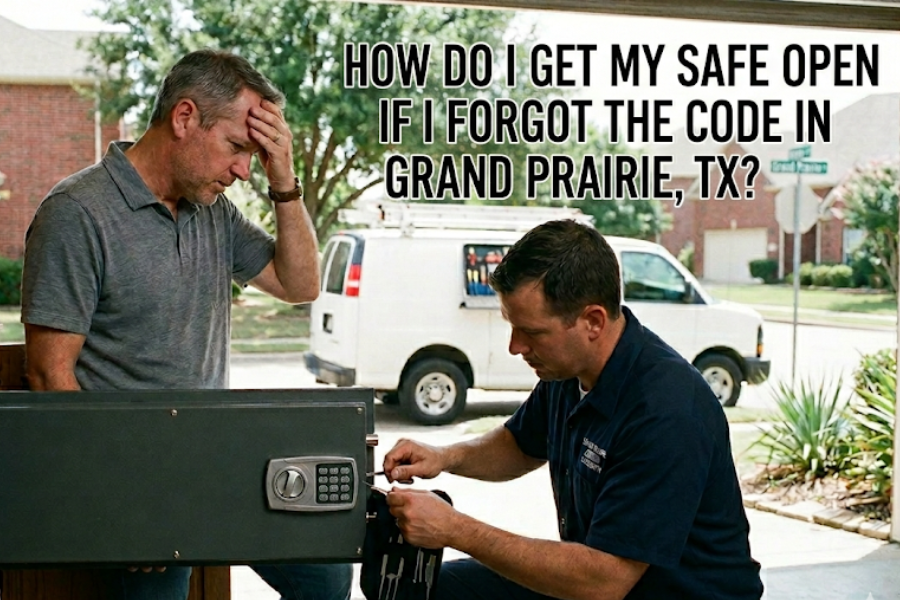
There is a very specific, heart-sinking panic that hits when you rotate a safe dial and feel a weird “hitch,” or when you punch in your code and hear the motor groan, but the handle just won’t budge. We’ve all been there, standing in front of a heavy steel box, realizing that our most important documents are effectively in another dimension. Usually, this is the point where people start frantically searching for a lock expert for safe opening in Grand Prairie, TX. But honestly? A lot of that stress is totally avoidable if you know what to look for.
If you want to keep your security from becoming a self-imposed prison, here is how you stay ahead of the curve.
If you have an electronic lock, your number one enemy isn’t a burglar, it’s a cheap battery. We see it constantly: a homeowner uses a generic battery from a junk drawer, and six months later, the solenoid doesn’t have enough juice to pull the bolt.
The golden rule for preventing a lockout is to use only high-quality batteries in your smart lock. Don’t wait for the “low battery” alert before replacing them. Instead, mark your calendar and change the batteries once a year, just as you would with your smoke detectors. In Grand Prairie, TX, where humidity and seasonal temperature changes can affect battery performance, this simple one-minute maintenance task can help you avoid unexpected lockouts and costly service calls. If you need expert assistance with smart lock installation or maintenance, FCM Safe Service is here to help keep your home secure and your locks working reliably.
One of the most common reasons people need a lock expert for safe opening in Grand Prairie, TX, is actually “overstuffing”. We’ve all tried to squeeze one more folder or a slightly larger jewelry box into the safe. When you force the door shut, the contents press against the back of the locking bolts.
This creates side-load pressure. When you try to open the safe, the motor or the manual handle has to fight that friction to retract the bolts. Over time, this wears out the motor, snaps internal linkages, and significantly drives up your safe opening cost. A good rule of thumb? If you have to push on the door to get it to lock, you’ve put too much inside. Keep a “clear zone” around the door bolts to ensure they can move freely every single time.
Here is a bit of professional advice that catches most people off guard, Never spray WD-40 or household oil into your safe lock. It seems like a logical fix for a sticky dial, but it is actually a death sentence for the mechanism.
Modern safe locks are designed to run dry or with very specific, specialized lubricants. Common oils attract dust and lint, creating a “gunk” that eventually hardens into a glue-like substance. If your dial feels gritty, don’t reach for the spray can. That is the moment to call a lock expert for safe opening and to perform a professional “clean and service.” They will disassemble the wheel pack, remove the old debris, and ensure the gates align with surgical precision.
For those with mechanical combination locks, the “numbers” can actually move over time. This is known as dial drift. It happens as the brass or aluminum parts inside the lock wear down from years of use. You might find that your combination used to be “20”, but now you have to stop at “19.5” to get it to click.
If you notice your combination is “shifting”, do not ignore it. This is your safe’s way of telling you a lockout is imminent. A professional can recalibrate the dial and the drive cam, essentially resetting the clock on your lock’s lifespan. Staying proactive with these safe maintenance tips is significantly cheaper than a forced entry once the dial stops working entirely.
We deal with some fairly intense humidity at certain times of the year. If your safe is located in a garage or an unconditioned basement, the internal steel components are at risk of “surface flash rust”.
Even a tiny amount of corrosion on the locking bar can cause the safe to seize. To prevent this, consider placing a desiccant pack or a “Golden Rod” dehumidifier inside the safe. Keeping the internal air dry doesn’t just protect your paperwork from mold, it also protects the mechanical heart of the lock from seizing up. However, if you notice signs of corrosion or your safe becomes difficult to open, one of the top reasons to hire a safe lock expert is to prevent costly damage and restore reliable operation before the problem gets worse.
The way you operate your safe matters. Don’t “whip” the dial around or yank on the handle before the lock has fully cycled. For electronic locks, wait for the full beep or the green light before you even touch the handle. Rushing the mechanism puts unnecessary stress on the “relockers”, the emergency security pins that are designed to fire if the safe is being attacked. If you accidentally trigger a relocker by being too rough, you’ll definitely need a lock expert for safe opening in Grand Prairie, TX, to drill the unit open.
At the end of the day, a safe is an investment in peace of mind. But that peace of mind disappears the moment the handle won’t turn. By following a few simple habits, using the right batteries, avoiding overstuffing, and keeping the “gunk” out of the gears, you can ensure your safe remains a reliable guardian for decades. Remember, a safe lock is a conversation between you and a machine. If it starts sounding different or feeling “tight”, listen to it before it stops talking to you altogether.
Don’t wait for a total lockout to give your safe the attention it deserves. If your dial is feeling sticky or your keypad is acting temperamental, FCM Safe Service is here to help. As the premier lock expert for safe opening in Grand Prairie, TX, we provide comprehensive maintenance, cleaning, and repair services for all major safe brands. Contact us today, and let’s make sure your safety stays “unstuck” for good!
Ans: For residential safes, a professional cleaning and inspection every 2 to 3 years is usually sufficient to prevent safe lock issues.
Ans: Use a soft, dry microfiber cloth. Never use liquid cleaners or polish on the dial, as they can seep into the mechanism and cause failures.
Ans: On digital locks, yes, just follow the manual carefully. For mechanical dials, we highly recommend calling a lock expert for safe opening to ensure the new code is set correctly without locking you out.
It happens in a heartbeat. You punch in your usual six-digit code, wait for the familiar mechanical “clack” of the bolt, and… nothing. Maybe...
There is a very specific, heart-sinking thud that happens in the pit of your stomach when you rotate a safe dial or punch in...
It starts with a bit of a blank stare. You’re standing in front of your safe, fingers hovering over the keypad or the dial,...